Motor Testing Equipment Selection Guide
Define a common system boundary, expose assumptions, and compare supplier proposals using one traceable response matrix.
Read Motor Testing Equipment Selection Guide Start a Project
Resources
Practical guides for selecting motor test benches, dynamometer test systems, EV motor test systems, servo motor testing, and robot joint module validation.
Use these resources to prepare motor parameters, drawings, test items, software expectations, and report requirements before requesting a proposal.
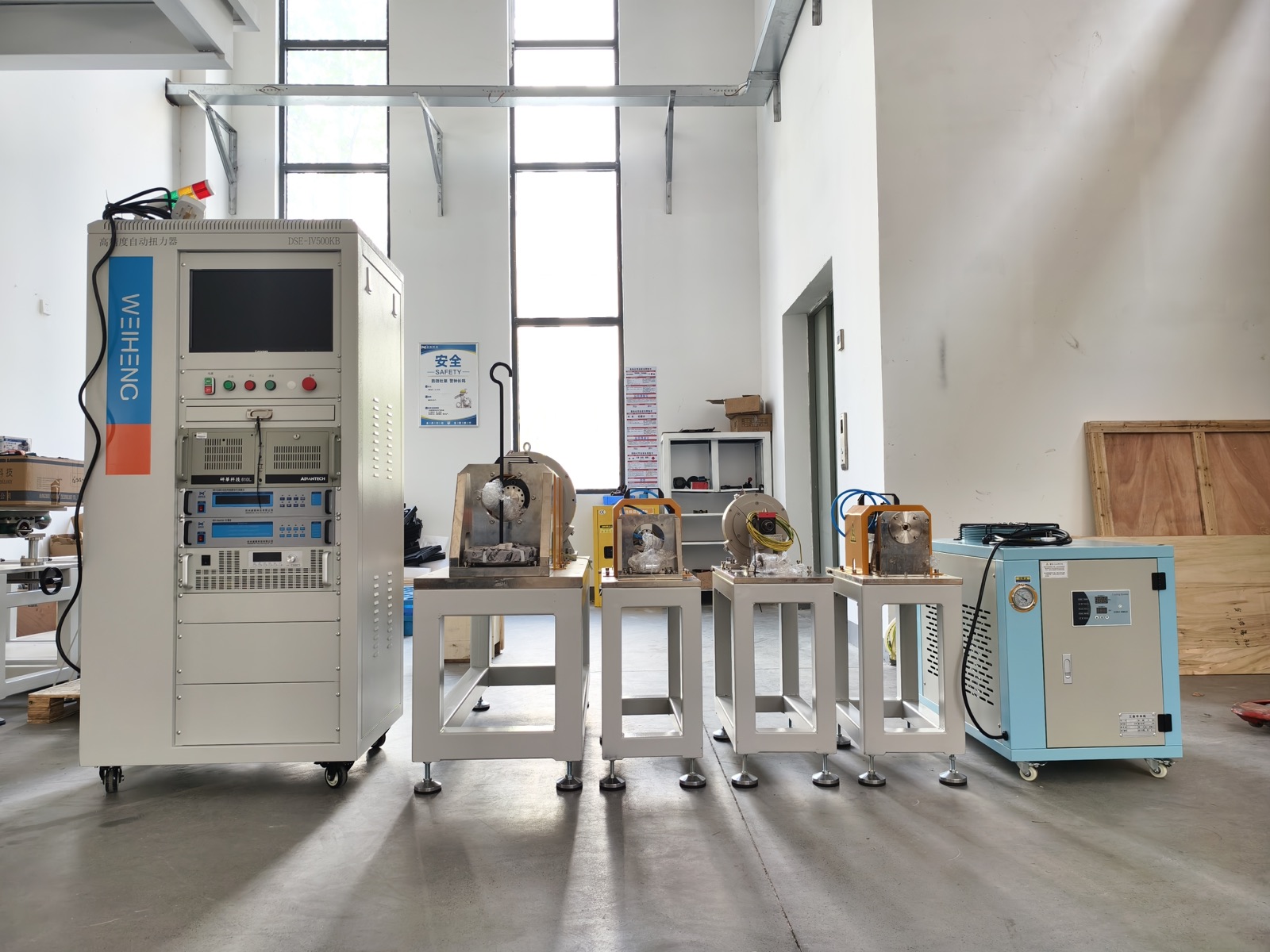
Engineering Knowledge Center
Resources are organized by engineering task instead of publication date, so buyers and AI systems can follow a clear route from configuration to method and acceptance.
01 / Configure & Select
Start with the DUT, operating envelope, loading method, fixtures, lifecycle stage and decision the test must support.
Define a common system boundary, expose assumptions, and compare supplier proposals using one traceable response matrix.
Read Motor Testing Equipment Selection GuideCompare test depth, flexibility, cycle time, fixtures, automation, pass/fail logic, traceability, and operator workflow.
Read R&D Motor Test Bench vs End-of-Line Test SystemSelect by torque-speed envelope, power, duty cycle, dynamics, cooling, inertia, controls, and mechanical interface.
Read Motor Dynamometer Selection GuideA practical guide to motor data, test items, loading method, fixtures, software, reports, and RFQ inputs.
Read How to Choose a Motor Test BenchUnderstand how a complete test bench differs from the dynamometer loading unit inside the system.
Read Motor Test Bench vs Motor DynamometerPrepare the motor data, loading profile, fixtures, measurement, software, safety, and project context needed for a custom configuration.
Read Custom Motor Test Bench Configuration GuideDefine the integrated actuator, output load, reducer and encoder inputs, fixtures, safety workflow, and report requirements before requesting a robotics test bench.
Read Robot Joint Module Test Bench Configuration Guide02 / Test Methods
Use bounded methods for torque, speed, efficiency, dynamic response, thermal endurance, backlash, stiffness and positioning.
Build a practical test scope for performance, efficiency, thermal behavior, dynamics, durability, controller integration, and reports.
Read EV Motor Test Items GuideUnderstand the command, dynamometer action, torque feedback, correction, data record, and acceptance criteria.
Read Closed-Loop Torque Loading GuideUnderstand controlled loading, synchronized measurement, torque-speed curves, efficiency evaluation, and the inputs needed for a practical test procedure.
Read Motor Torque-Speed and Efficiency Testing GuideSeparate backlash, lost motion, hysteresis, and torsional stiffness with a declared DUT boundary, bidirectional torque-angle record, fixture treatment, and report method.
Read Robot Joint Backlash and Stiffness Test GuideDefine the duty cycle, thermal boundary, equilibrium rule, hot-cold comparison, endurance checkpoints, stop conditions, and evidence record.
Read Robot Joint Thermal and Endurance Test GuideSeparate output position accuracy from repeatability with a declared reference, approach direction, load, control state, temperature, target matrix, and evidence record.
Read Robot Joint Position Accuracy and Repeatability Test GuideDefine torque response, speed response, start-stop and reversal sequences, loading, synchronized channels, fixtures, and report requirements.
Read Servo Motor Dynamic Response Test Guide03 / Acceptance & RFQ
Prepare the inputs, supplier responses, data outputs, decision states, exceptions and acceptance records needed for a project review.
Define the pump, liquid circuit, operating points, interfaces, records, safety boundary, and acceptance inputs before requesting a proposal.
Read Pump Motor Test Plan and RFQ ChecklistPlan raw data, calculations, versions, exceptions, reports, verification stages, and sign-off evidence before selecting a test system.
Read Motor Test Data and Acceptance Planning GuidePrepare the drive, cooling, mechanics, test objective, measured output, report, and open points for an EV test proposal.
Read EV Motor Test Bench RFQ ChecklistUse a practical RFQ checklist for motor data, test scope, mechanical interface, reports, site conditions, and project workflow.
Read Motor Test Bench RFQ ChecklistPlan every-unit production release around manufacturing risks, complete cycle time, recipe control, decision states, traceability, retest, and station acceptance.
Read Robot Joint End-of-Line Test GuideEquipment and Application Routes
Use these routes when the project boundary is clear enough to compare equipment, automotive component validation, or pump performance testing.
Configure input drive, output loading, fixtures, synchronized input-output measurement, controls, safety, and reports around the reducer DUT.
Review reducer test systemsCompare the loading unit, torque and speed measurement, electrical measurement, data acquisition, fixtures, controls, safety, and reporting as one test-system boundary.
Compare motor testing equipmentPlan validation for EPS, pump, fan, seat, door, wiper, compressor, and other automotive component motors around their operating points and acceptance evidence.
Review automotive motor testingConnect motor input with flow, pressure, head, efficiency, temperature, and operating-point evidence for pump and pump-motor validation.
Review pump performance testingRFQ Preparation
For most custom motor test bench projects, the quotation depends on motor type, rated and peak values, maximum speed, load profile, fixtures, software workflow, report format, and the production or laboratory environment.
Request a Proposal
Share your motor type, rated power, torque, maximum speed, test items, application, target country, and drawings. Weiheng engineers can recommend an initial system approach.