Device under test
Robot joint module, integrated actuator, servo motor, reducer, motor-reducer assembly, or project-specific mechanism.
 Request a Quote
 Robot Joint Module Testing
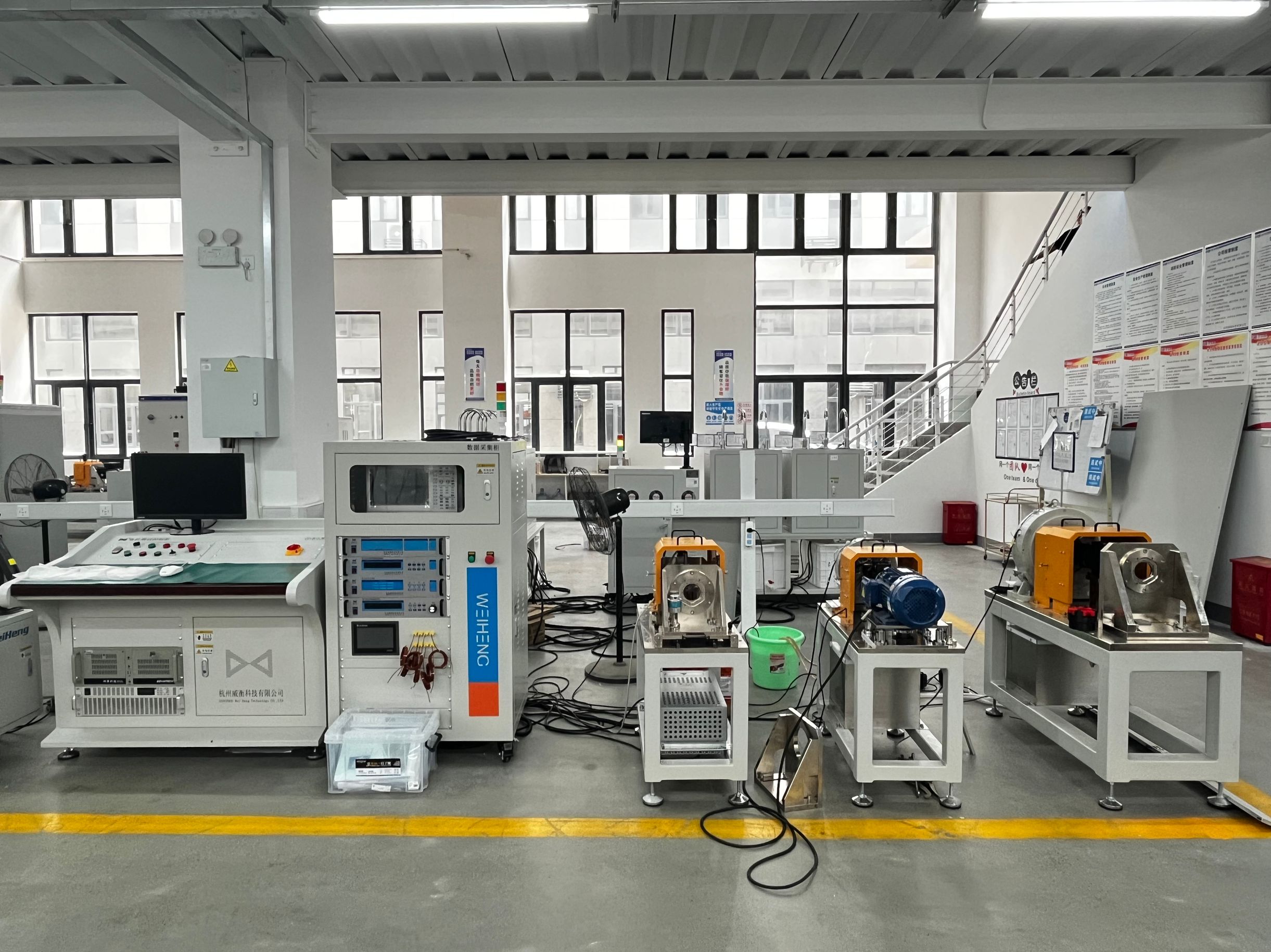
Weiheng builds test systems for robot joint modules, integrated actuators, servo motors, reducers, encoders, and drives.
The platform can combine controlled loading, angular and torque measurement, custom fixtures, synchronized acquisition, programmable cycles, and engineering reports.
Direct Answer
A robot joint module test system evaluates the combined behavior of the motor, reducer, encoder, drive, and output mechanism. Typical work includes torque, speed, backlash, stiffness, positioning, dynamic response, efficiency, temperature rise, and endurance.
Test Coverage
Tests are selected around the module structure, torque-speed range, accuracy target, reducer, encoder, control mode, and duty cycle.
System Configuration
Robot joint module, integrated actuator, servo motor, reducer, motor-reducer assembly, or project-specific mechanism.
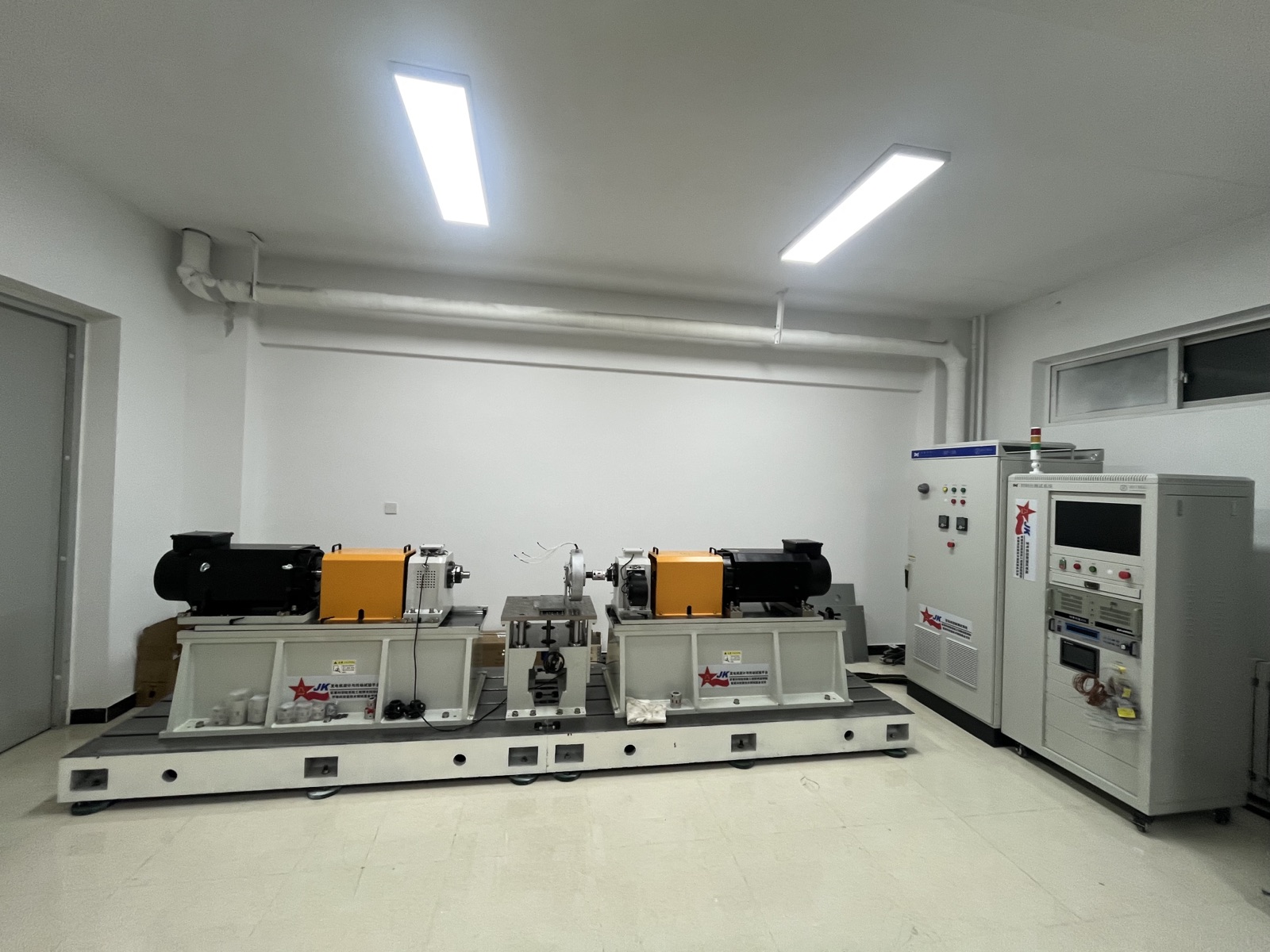
Custom installation, coupling, load motor, torque-speed sensing, angular measurement, guarding, and alignment.
Mechanical, electrical, position, temperature, and custom signals can be coordinated in one test workflow.
Programmable sequences, motion and load profiles, curves, comparisons, endurance cycles, data storage, and reports.
Related Evidence
See the Robot Joint Module Test System, Servo Motor Test System, and the multi-station project on Case Studies.
FAQ
Robot joint module testing evaluates the integrated motor, reducer, encoder, drive, and mechanical output under static, dynamic, accuracy, thermal, efficiency, and endurance conditions.
A platform can be planned with modular fixtures and measurement functions, but the final arrangement depends on torque, speed, mechanical interfaces, accuracy targets, and required test items.
Yes. Backlash, torsional stiffness, positioning, repeatability, torque-speed performance, efficiency, temperature rise, and endurance can be discussed according to the module and validation method.
Send the module or motor drawings, torque and speed ranges, reducer ratio, encoder and drive information, mechanical interface, test methods, accuracy targets, duty cycles, and report requirements.
Request a Proposal
Share drawings, torque and speed ranges, reducer ratio, encoder and drive information, mechanical interfaces, test methods, accuracy targets, duty cycles, and reports.