Characterize motor performance
Use defined torque-speed points, electrical and mechanical measurement boundaries, cooling states, and point-level records for curves or efficiency maps.
Build the EV motor test plan Request a Quote
 EV Motor Testing
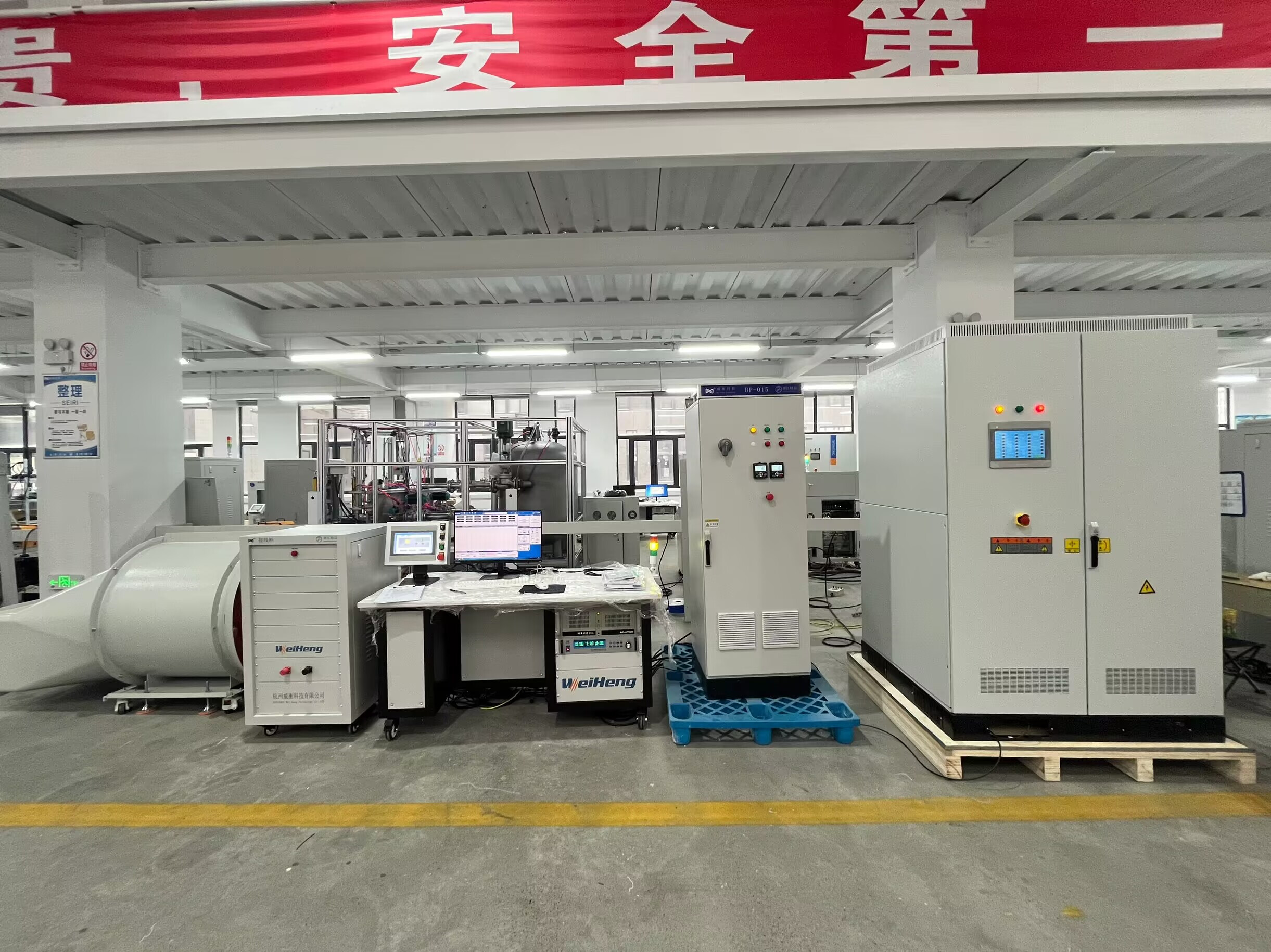
Weiheng configures EV motor testing solutions for traction-motor torque-speed characterization, efficiency maps, thermal and durability work, controller integration, and production validation.
Select the test route first, then align loading, synchronized measurement, cooling, fixtures, safety, software, evidence, and acceptance around the motor and drive system.
Direct Answer
EV motor testing evaluates an electric drive motor under controlled speed and load conditions. It combines mechanical and electrical measurements to verify torque-speed behavior, power, efficiency, thermal performance, controller interaction, dynamic duty cycles, and durability.
Buyer Decision Path
The same traction motor can require a different system when the decision is characterization, loading-unit selection, acceptance evidence, or production release. Start with the decision and follow the matching planning resource.
Use defined torque-speed points, electrical and mechanical measurement boundaries, cooling states, and point-level records for curves or efficiency maps.
Build the EV motor test planCompare the complete torque-speed-time envelope, quadrants, inertia, energy flow, cooling, mechanics, controls, measurement, and acceptance evidence.
Review motor dynamometer selectionDefine identities, conditions, synchronized channels, calculations, invalid-run handling, reports, and acceptance outputs before system configuration is frozen.
Plan data and acceptanceKeep flexible engineering characterization distinct from short repeatable EOL sequences, traceability, pass/fail rules, operator workflow, and factory handoff.
Compare R&D and EOL testingTest Coverage
The final test matrix follows the motor, controller, voltage platform, cooling method, standards, and development stage.
System Architecture
Configured around the traction motor, controller, voltage platform, cooling loop, shaft, flange, and operating modes.
Dynamometer loading with synchronized torque, speed, voltage, current, power, temperature, and optional vibration channels.
Automated test steps, real-time curves, efficiency-map output, duty-cycle execution, data storage, and report generation.
The platform can be planned for engineering validation, comparative testing, endurance work, quality control, or EOL checks.
Related Evidence
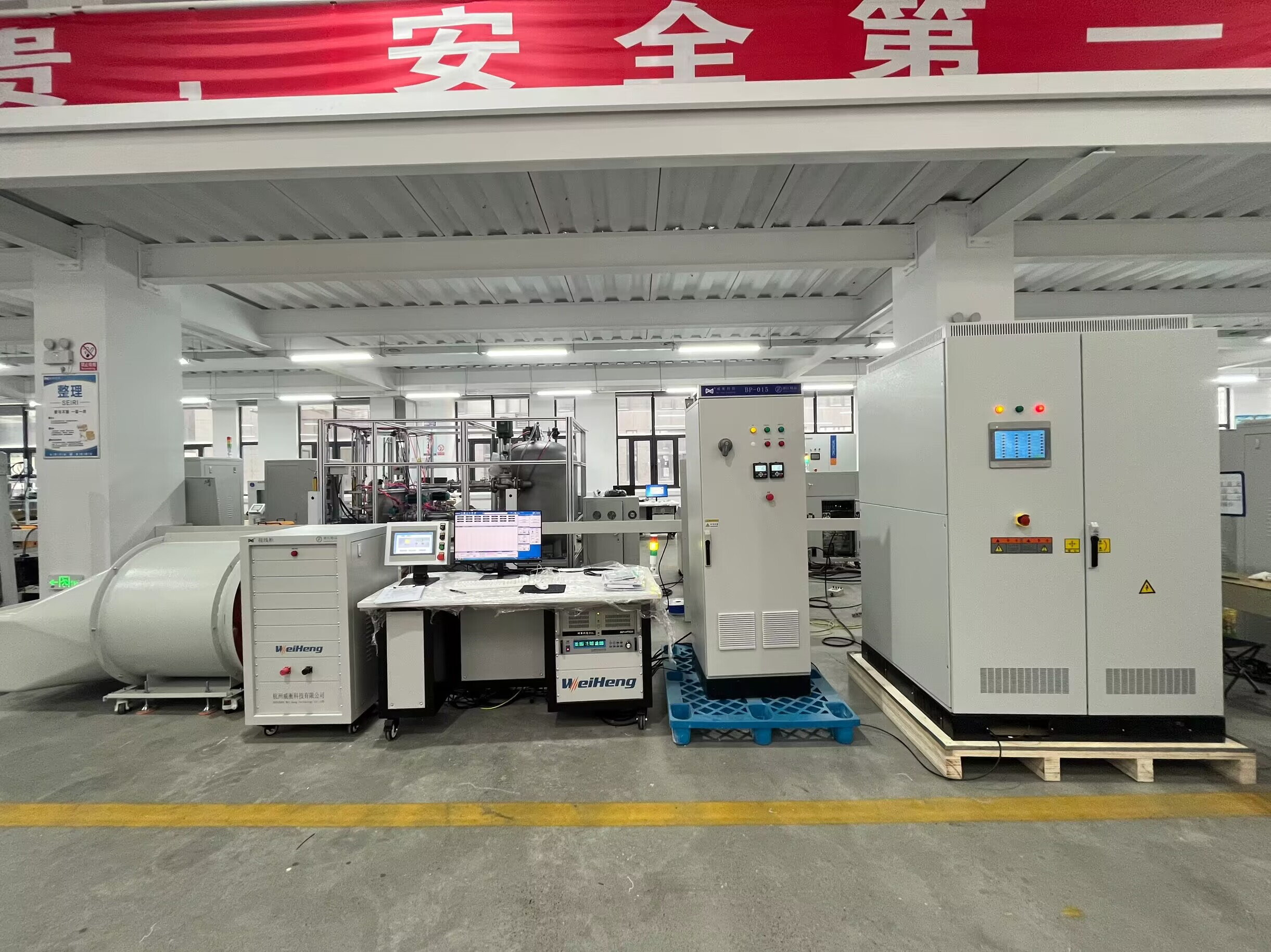
Review the complete EV Motor Test System, the EV Motor Test Items Guide, and the EV project on our Case Studies page.
When the project is ready for configuration, use the EV Motor Test Bench RFQ Checklist to separate confirmed data from the engineering points that still need review.
FAQ
EV motor testing commonly measures torque, speed, mechanical power, electrical power, efficiency, temperature, peak output, continuous output, dynamic response, and durability under controlled loading.
Yes. Motor-only, motor-controller, and project-specific electric-drive arrangements can be discussed according to the electrical, communication, cooling, and mechanical interfaces.
Yes. Synchronized mechanical and electrical data can support efficiency-map collection, visualization, storage, and reporting.
Send rated and peak power, torque, maximum speed, voltage platform, controller information, cooling method, drawings, test items, duty cycles, application, and target country.
Request a Proposal
Send the motor specification, rated and peak values, controller, voltage platform, cooling, drawings, test items, duty cycles, application, and target country.