
Direct Answer
How are motor torque-speed and efficiency tests performed?
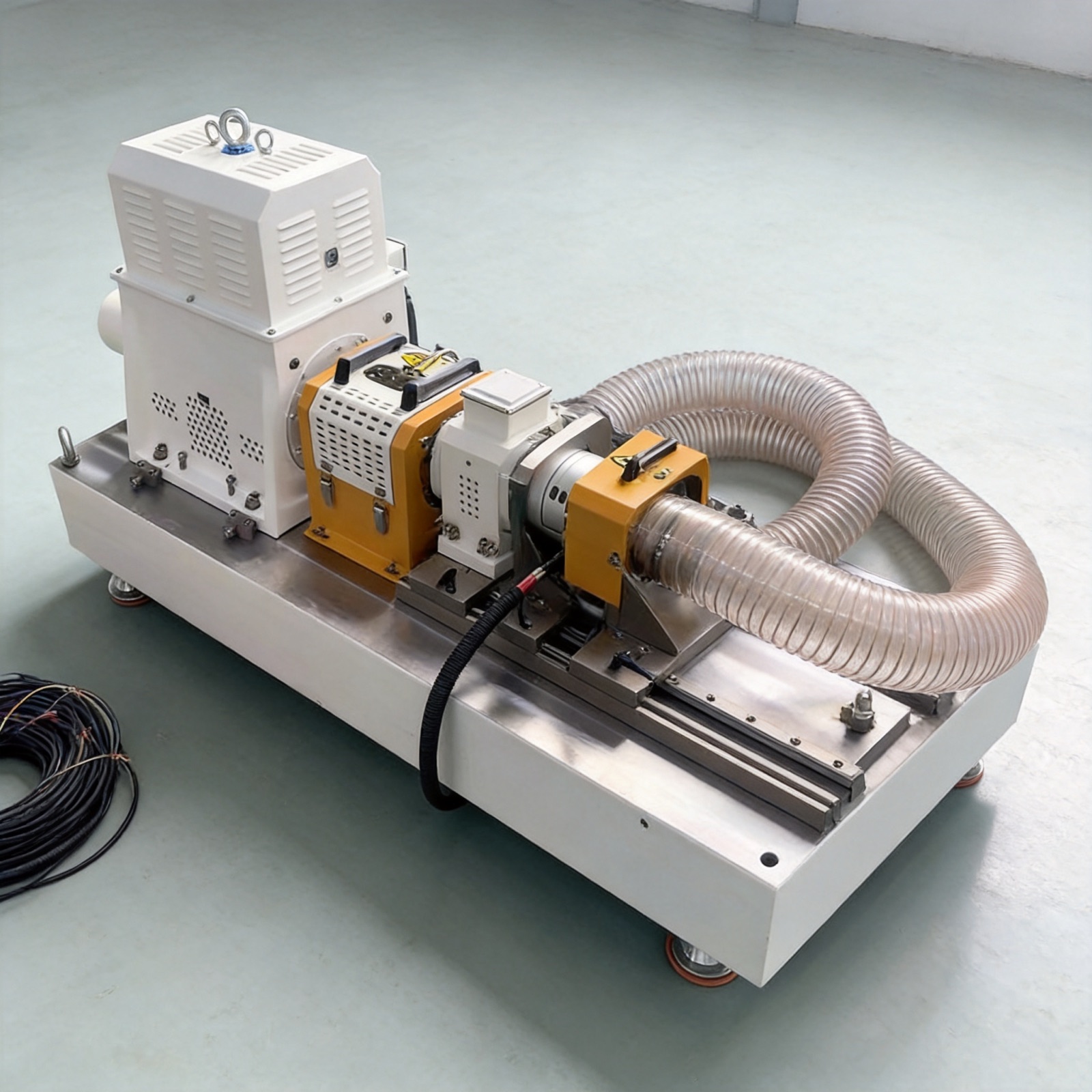
Motor torque-speed and efficiency testing use a controlled loading workflow to run a motor at defined operating points. A complete test bench coordinates the loading unit, torque and speed measurement, electrical measurement, control, safety, data acquisition, and reporting. The exact sequence is selected around the motor, controller, application, and result the engineering team needs to evaluate.
What the Test Can Show
From operating point to engineering decision.
Torque-speed curve
Shows motor output torque across the tested speed range under controlled loading conditions.
Mechanical and electrical power
Synchronized torque, speed, voltage, and current data provide the inputs needed to evaluate operating points.
Efficiency result
Efficiency evaluation depends on synchronized mechanical output and electrical input data, as well as the defined operating condition.
Thermal and endurance behavior
Where required, temperature channels and extended test sequences can add evidence beyond a single performance curve.
Repeatable report output
A defined sequence, measurement channels, data handling, and report fields help teams compare motors, revisions, or production results.
Test-Bench Logic
Loading, measurement, and software should be one workflow.
A torque-speed curve is not only a mechanical loading question. It also depends on how torque and speed are measured, how electrical values are captured, how the controller is operated, how the motor is cooled, and how the data is synchronized. When the buyer needs efficiency, transient response, temperature rise, endurance, or traceable production output, the test procedure needs to make those conditions explicit.
Read the custom motor test bench overview for the full system architecture, or compare the system with its loading unit in Motor Test Bench vs Motor Dynamometer.
Before Quotation
Inputs that define a useful torque-speed or efficiency test system.
- Motor type, application, and target operating points
- Rated and peak torque, rated power, rated speed, and maximum speed
- Voltage platform, current range, controller or drive interface, and cooling method when relevant
- Required curve points, efficiency evaluation method, standards, or internal acceptance procedure
- Duty cycle, test duration, temperature channels, and any endurance requirement
- Shaft drawing, coupling, fixture requirement, guarding, and installation direction
- Required reports, data fields, language, traceability, and pass/fail workflow
For an RFQ-focused checklist, see Motor Test Bench RFQ Checklist. For broader configuration choices, use the Custom Motor Test Bench Configuration Guide.
FAQ
Torque-Speed and Efficiency Testing Questions
What does a motor torque-speed test measure?
A motor torque-speed test measures output torque at defined speed and loading conditions. A complete test workflow can synchronize torque and speed with electrical values so that the result can be evaluated and reported against the intended operating points.
Why is a dynamometer used for motor efficiency testing?
A dynamometer or loading unit creates controlled loading conditions. The test bench combines it with torque and speed measurement, electrical measurement, control, safety, and software so the required operating points can be tested repeatably.
Can a motor test bench create an efficiency map?
It can be discussed when the system is configured for the required torque-speed operating grid, synchronized electrical and mechanical measurements, data acquisition, and software workflow. The final method depends on the motor, controller, application, and the buyer's procedure.
What is needed before asking for a torque-speed test bench quotation?
Send the motor range, maximum speed, torque and power values, intended test items, controller and cooling information where relevant, mechanical drawing, duty cycle, reporting needs, and whether the project is for R&D, QC, EOL, or laboratory work.