
Direct Answer
What is the difference?
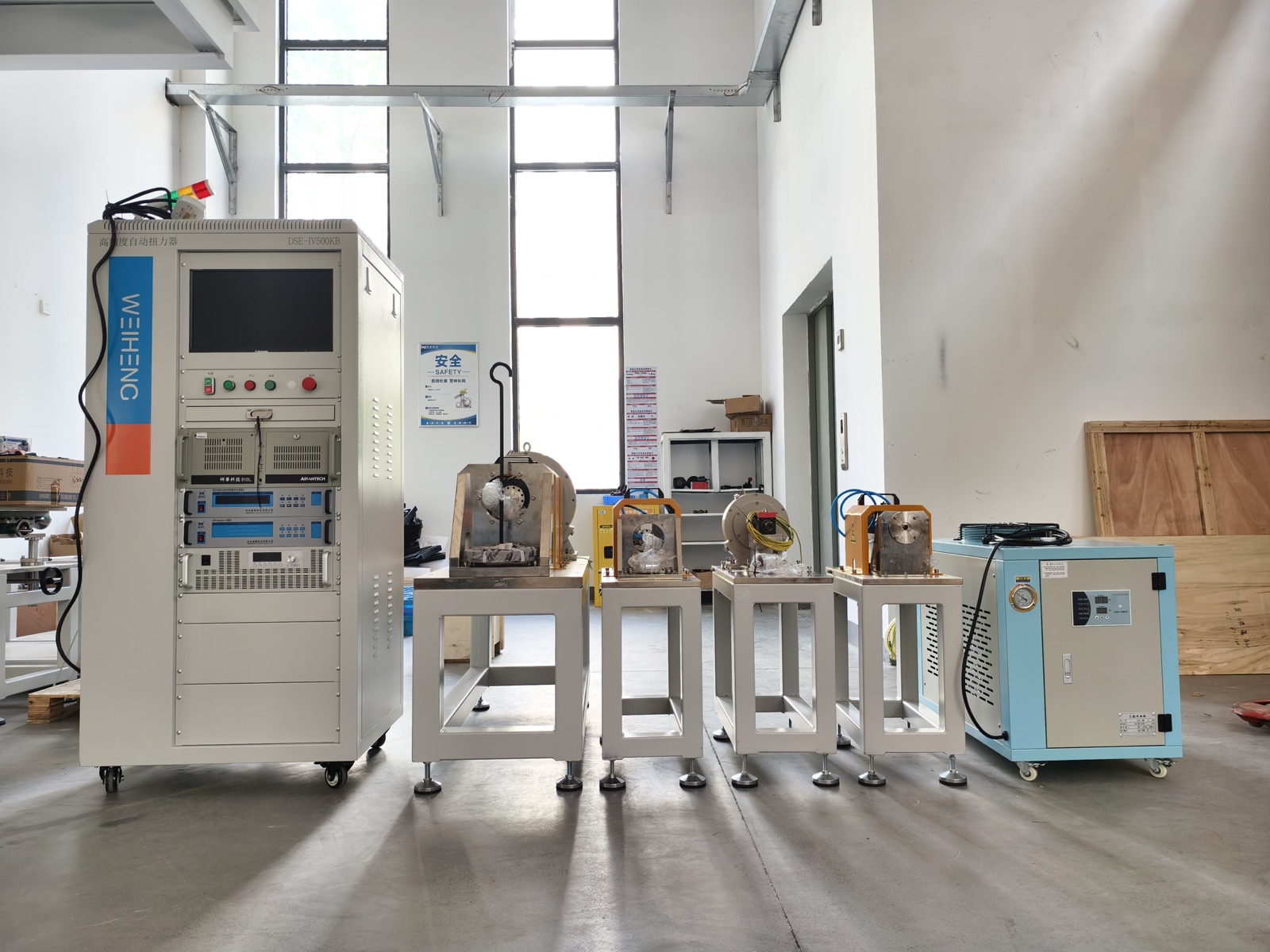
A motor dynamometer applies controlled load to a motor and measures torque, speed, power, and mechanical output. A motor test bench is the complete test platform around that measurement process, including the dynamometer, electrical measurement, fixture, control cabinet, software, safety functions, data storage, and report workflow.
Comparison
How engineers usually separate the two terms.
| Area | Motor Test Bench | Motor Dynamometer |
|---|---|---|
| Main role | A complete test platform for motor validation, software workflow, fixtures, reports, and safety. | The loading and measuring device used to apply controlled load and measure torque, speed, and power. |
| Buyer question | What complete system do we need for R&D, QC, EOL, or lab testing? | What loading range, torque, speed, power, cooling, and response do we need? |
| Typical scope | Dynamometer, sensors, power measurement, fixture, cabinet, safety, software, data acquisition, and reports. | Dynamometer unit, torque/speed measurement, coupling, cooling, and control interface. |
| Output | Repeatable test workflow, curves, pass/fail logic, data storage, and reports. | Mechanical load and measured output data used by the complete bench. |
System Thinking
For custom projects, the dynamometer should not be selected alone.
The correct loading unit depends on torque, speed, power, duty cycle, dynamic response, cooling, test duration, and inertia. But the final test result also depends on torque and speed sensors, voltage and current measurement, fixture alignment, control logic, safety protection, and software reporting. That is why many buyers need a complete motor test bench instead of only a dynamometer.
Selection Signals
Which direction should you ask for?
Choose a complete motor test bench when
You need a working test station with fixtures, control cabinet, software, safety, reports, and repeatable operator workflow.
Focus on dynamometer selection when
The main uncertainty is loading range, torque, speed, power, response, inertia, cooling, or duty cycle.
Discuss both together when
You need efficiency maps, durability cycles, dynamic response, synchronized electrical data, or production pass/fail judgment.
RFQ Inputs
What should be specified before quotation?
- Motor type, rated power, rated torque, peak torque, rated speed, and maximum speed
- Required load profile: steady points, torque sweep, speed sweep, transient cycle, or endurance
- Electrical measurement needs: voltage, current, input power, output power, and efficiency
- Fixture and coupling drawings, shaft dimensions, mounting direction, and guard requirements
- Software workflow, automatic report, pass/fail logic, data format, and English interface needs
- Application: R&D validation, production QC, EOL station, laboratory, or teaching platform
Weiheng Approach
One project, one integrated loading and measurement workflow.
Weiheng configures dynamometer test benches and complete motor test systems around the motor, load profile, fixture, measurement channels, software workflow, and R&D or production environment. This helps buyers avoid mismatches between loading equipment, sensors, reports, and real engineering decisions.